Dear Friends,
The start of a new year is when many of us pause, take stock, and make plans for the coming months. If justice is on your radar, this Criminal Justice Action Plan for 2026 offers concrete ways to impact people and communities directly affected by the criminal legal system. There’s something here for everyone: signing petitions, donating books, writing letters, and supporting organizations that are fighting daily for justice.
You do not have to do it all. If you can, pick one thing. Learn about it. And take a step toward change.
Support People in Prison
A criminal conviction and prison walls do not negate basic humanity and dignity. By lending support to a person in prison, we are not excusing the harm they may have caused. Instead, our support recognizes the axiom that people are more than the worst thing they have ever done. And from a purely practical perspective, since most people in prison eventually return to our communities, how they are treated inside directly impacts how they fare upon their return.
I’ve seen firsthand how small acts of support, such as those listed below, can make a real difference for individuals and families impacted by our outsized and overly punitive carceral state.
a. Love to Read? Donate Books
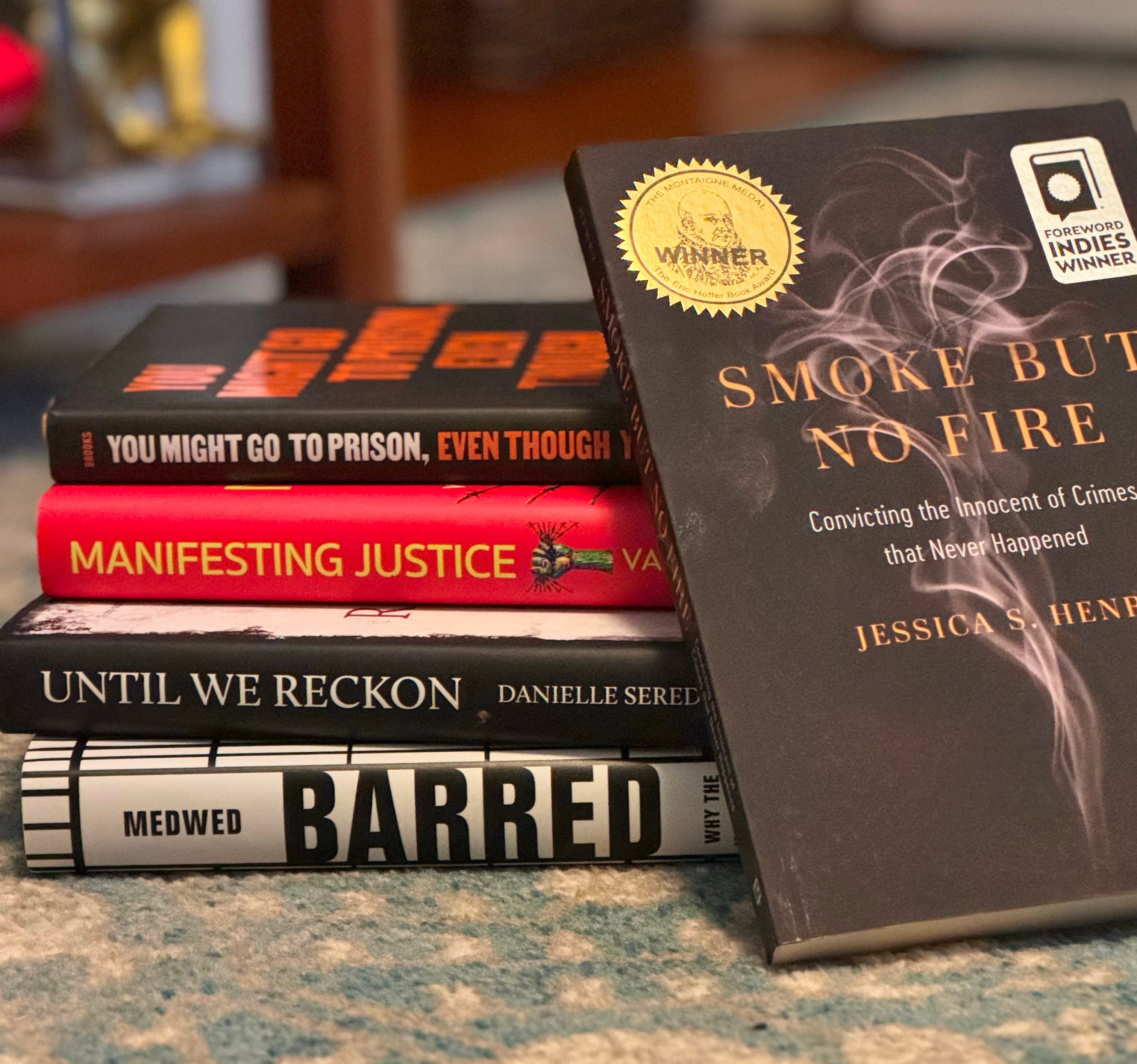
Reading offers people in prison an escape from daily confinement, and opens space for reflection, imagination and hope. The Prison Book Program has been connecting people in prison with books since 1972. You can volunteer, donate books, and find local opportunities to help through their website.
b. Love to Write? Be a Penpal
People on death row spend up to 23 hours a day in tiny cells, facing unfathomable conditions of deprivation and isolation. You can make a difference by becoming a penpal to a person on death row through the Death Penalty Support Project. A single letter can be a ray of hope for people who may literally have no other outside contact.
Or if you’d like to become a penpal to an LGBTQIA2S+ person who is incarcerated, go to Black and Pink to be paired with someone in need of connection.

c. Support Prison Healthcare Advocacy
People in prison are entirely dependent on their Departments of Corrections for their every need, including health care for urgent or chronic medical conditions. But despite higher rates of illness, people in prison are routinely denied access to timely and appropriate medical assistance.
The Medical Justice Alliance bridges that gap by connecting medical professionals and advocates with incarcerated people who suffer from inadequately treated medical conditions. Visit their website to learn how you can support their work.
d. Keep Families Connected
Research consistently demonstrates that people in prison with supportive family ties do better on the inside and when they are released. But prisons are often located in hard-to-reach areas, making visits prohibitively expensive or otherwise impossible.
Organizations like Assisting Families of Inmates in Virginia provide transportation to prisons and offer crucial family support services – especially for children with incarcerated parents.
Phone calls are also a great way to stay in touch, but fees associated with calls from prison can be crippling. At least six states have eliminated the exorbitant costs of prison phone calls, but just last year the FCC raised phone rate caps, in some cases by over 80% and the cost for calls in states like Oklahoma and Florida remains unconscionably high. You can learn more through advocacy organizations working on this issue like Worth Rises and even contact your state legislatures with a single click to push for free communication access.
Support People Returning from Prison
Even though most people sentenced to prison terms return home, release from prison is rarely easy. People returning from prison face discrimination in employment and housing and often lack the skills they need to successfully reenter the community. They also may suffer from unrecognized trauma that predates their incarceration, and that may have been worsened by their time in prison.
There are great reentry organizations that seek to support people returning from prison, although not nearly enough to meet the need. I encourage you to find and support a local reentry initiative where you live.
If you are in New Jersey, one of my favorite New Jersey reentry projects is the Returning Citizen’s Support Group of New Jersey. Created by and for returning citizens, this homegrown group provides effective wrap-around reentry services to those in need, while offering peer support and mentorship. They recently purchased their first “Restorative justice Healing” residential property that will provide supportive housing to people who are returning home. This amazing reentry group offers a replicable model for states everywhere.
Support the Wrongly Convicted
a. Advocates for the Innocent
Organizations such as The Innocence Project (national headquarters) or any regional affiliate, like the NJ Innocence Project, work tirelessly to identify and free innocent people from prison. You can find your local innocence group through the Innocence Network. And then there is Centurion Ministries, a small non-profit based in Princeton, New Jersey, the first organization in the country dedicated exclusively to exonerating the innocent. (Yes, I may have a slight New Jersey bias, but I am highlighting Centurion for their truly herculean efforts across the nation).
b. Advocates for Exonerees
The road home for the wrongly convicted can be devastating. Organizations like Exonerated Nation help meet the immediate needs of exonerees. You can support the Exonerated Nation’s mission by making a financial contribution or by donating gently used computers, cell phones or clothing. Or seek out ways to support exonerees from your state innocence chapters.
c. Educate Your Community about Wrongful Convictions
You can invite an exoneree to speak at a local event through groups such as Witness to Innocence, Exonerated Nation, the Innocence Project’s Speaker’s Bureau, or simply by contacting your local innocence organization.
By lifting up the voices of the innocent, you help shine a light on injustice everywhere.
Support Organizations Leading Criminal Justice Reform
Across the country, organizations are pushing back against excessive sentences and brutal prison conditions. They are working to end the death penalty. They are fighting to bring the wrongly convicted home, and to help others rebuild their lives after years behind bars.
In addition to the groups already mentioned in this post, here are a few more inspiration organizations from around the country, both large and small, that fight to change unjust policies, including several that I’ve had the pleasure of learning about through guests on my podcast, Just Justice. This list is only the tip of the iceburg when it comes to organizations doing great work.
- The Sentencing Project
- FAMM
- Youth Sentencing and Reentry Project
- The Equal Justice Initiative
- Journey of Hope… from Violence to Healing (I learned more about this small but inspiring organization from Dina Windle from Season 1 of Just Justice – still one of my favorite all-time episodes)
- Louisiana Parole Project
- Illinois Prison Project
- The Deskovic Foundation
- Second Look Project: Beyond Guilt
If you take one action from this list, I’d love to hear which one you choose. If I missed an organization near and dear to your heart, I hope you’ll post it in the comments. And I hope you’ll also share this post with a friend or colleague, so that they can take action for justice, too.
Small acts can create real change. I’m grateful to be in this work and in this community with you.