Dear Friends,
This week, New Jersey Governor Phil Murphy granted 59 clemency petitions, including pardons to 11 veterans on Veteran’s Day. All in, Governor Murphy so far has granted clemency in 228 cases.
It’s the most pardons ever for a governor from the Garden State. But its significance is far greater than just numbers.
For the people who have been pardoned, it’s a chance to move more freely through the world, without the heavy weight of a criminal record limiting housing, employment or volunteer prospects.
For the people who have had their prison sentences commuted, it’s a chance to finally hug the people they love and to prove to the world that they are indeed more than the worst thing that they have ever done.
For society, it’s a chance to center justice, human dignity, and redemption.
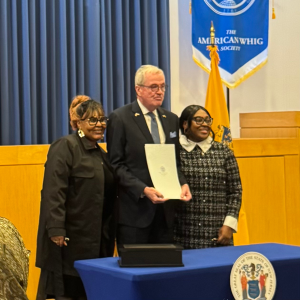
As a member of the Clemency Advisory Board, I am awed and inspired by Governor Murphy’s genuine commitment to this effort. He didn’t have to tackle the thorny issues and responsibilities that come with acts of clemency. He chose to. And he did it through a fair and just process, using his extraordinary powers of mercy to provide relief to people who demonstrated rehabilitation and reform.
This week, in stark contrast, Trump chose to use his clemency powers to pardon a slew of political loyalists and cronies, including Rudy Guliani, Sidney Powell and others who tried, and failed, to overturn the 2020 election results.
It’s grace versus greed in action. When grace prevails, we are all the better for it.
Near-Miss No-Crime Wrongful Conviction
In other news, as you may know, I often write about wrongful convictions, particularly those that are based on convictions for crimes that never happened in the first place. Today, I want to highlight a recent article written not by me, but by the amazing journalist Radley Balko, who shares a story that can best be described as a near-miss no-crime wrongful conviction.
Jordan Silverman was the subject of a lengthy investigation after being accused of molesting 15 of his students. A horrible accusation, certainly. Except that underlying allegations never happened. It’s a story reminiscent of the day care hysteria cases from the 1980s. The good news, I guess, is that Jordan was eventually cleared of wrongdoing after a two year investigation, so I suppose you can say that the system worked as it should.
But tell that to Jordan, whose life was upended by the allegations and whose reputation was left in tatters. It’s a cautionary tale that reminds us to pause before rushing to judgment. People’s lives and freedom depend upon it. I’m honored and grateful to Radley for including my perspective in his compelling piece.

Just Justice Podcast
I’m writing this newsletter on a train to Washington D.C. where I’ll be attending a criminology conference. Later this month I’ll be heading to the Second Chance Working Group conference hosted by FAMM (Families Against Mandatory Minimums). I can’t wait to share space with people who dedicate their lives to researching, developing, and advocating for creative ways to better the criminal legal system.
Jennifer Soble, founder and executive director, of Illinois Prison Project, is one of those legal innovators who has transformed “back-end” criminal justice in Illinois and provided a blueprint for other states to follow. She embodies the best kind of brilliance in legal advocacy, leading with hope and determination. You can hear our inspiring conversation on the latest episode of Just Justice.
Also, this month on Just Justice, I spoke with David Carillo, the first ever incarcerated college professor. Once serving a life sentence, David Carillo offers a powerful story of redemption.
November is a time to give thanks, whether it’s for good election news (hurray New Jersey Governor-elect Mikie Sherrill!), or for the love of friends and family. I wanted to take a moment to express my thanks for your continued support, and for all that you do to make your corner of the world a little brighter.
Happy (early) Thanksgiving to you and yours.
Be safe and well,
Jessica