And two stories where innocence claims are losing
A Big Month for Just Justice—and Stories that Should Trouble Us All
I have some wonderful news to share.
First, Women Who Podcast Magazine published a five-page feature about Just Justice and my work exploring extreme sentences, second chances and wrongful convictions. Then, not long afterward, I learned that Just Justice had won first place in the Impactful Story category at the Women Who Podcast Awards.
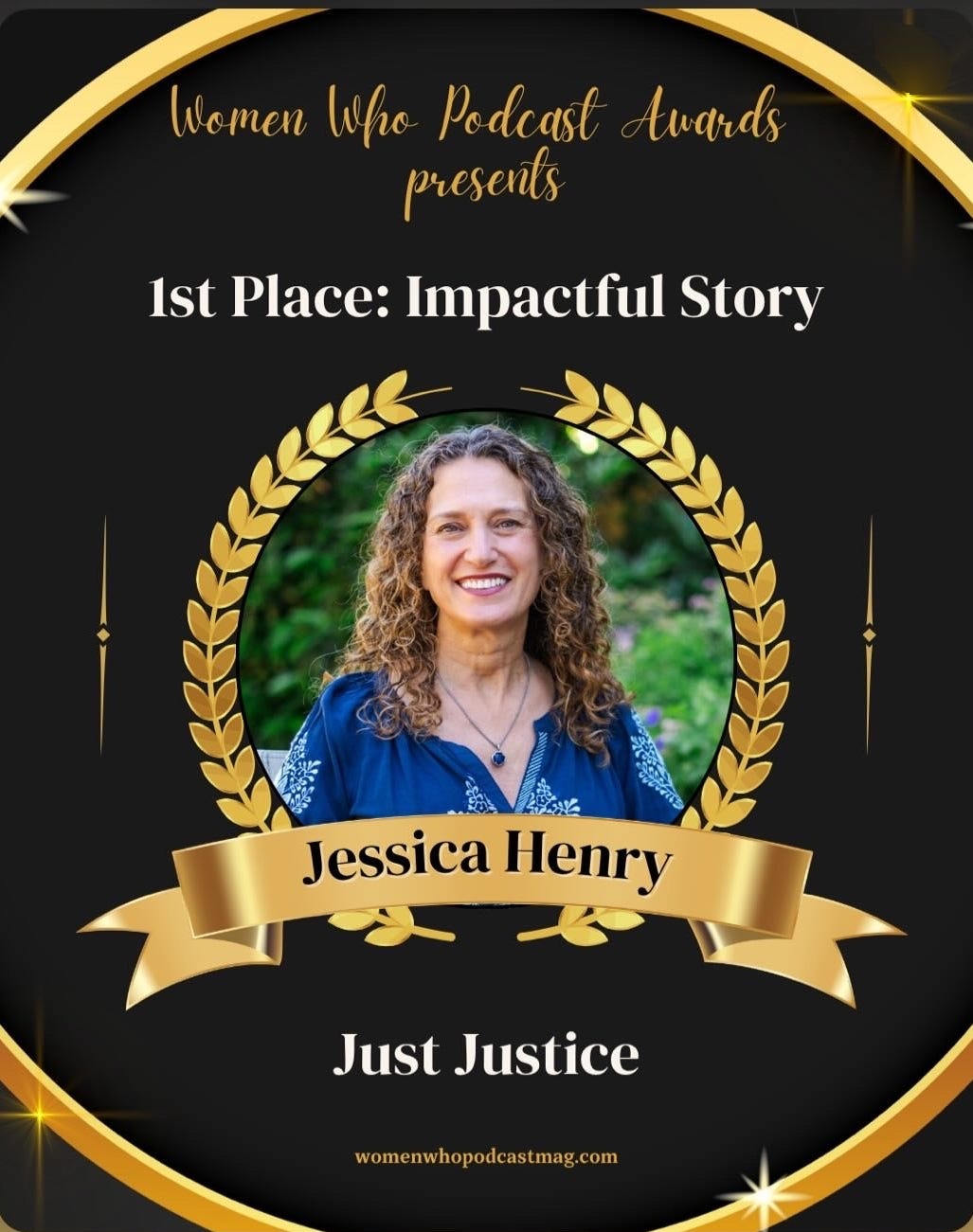
I am deeply honored by both recognitions. But the real credit belongs to the extraordinary guests who trust me with their stories. And to all of you who listen, share the episodes, and help bring these conversations to a wider audience. Thank you.
Two Powerful New Conversations on Just Justice
The award feels especially meaningful following two recent episodes that reflect why I created Just Justice in the first place: to give voice to justice-impacted people whose experiences are far too often overlooked, to examine how injustice flourishes in our criminal legal system and our extreme sentences, and to shine a light on what it means to fight for freedom and dignity.
Valena Beety: Pink Crime
What happens when pregnancy, motherhood, or queer identity is criminalized?
In my conversation with law professor, innocence litigator, and author Valena Beety, we discuss her important new book, Pink Crime: Fighting Against the Criminalization of Motherhood, Pregnancy, and Queer Identity.

Valena explains how gender bias, homophobia, junk science, and prosecutorial overreach can transform miscarriages, medical emergencies, family tragedies, and ordinary behavior into criminal cases. We also discuss why attacks on reproductive freedom and LGBTQ+ rights could produce a new wave of wrongful convictions.
Dawn Jackson: From Darkness to Dawn
My conversation with Dawn Jackson is one I will not soon forget.
Dawn survived sexual violence, trauma, and more than twenty-five years of incarceration before receiving clemency. She speaks with remarkable honesty about being criminalized rather than protected, finding purpose while imprisoned, and rebuilding her life after release.
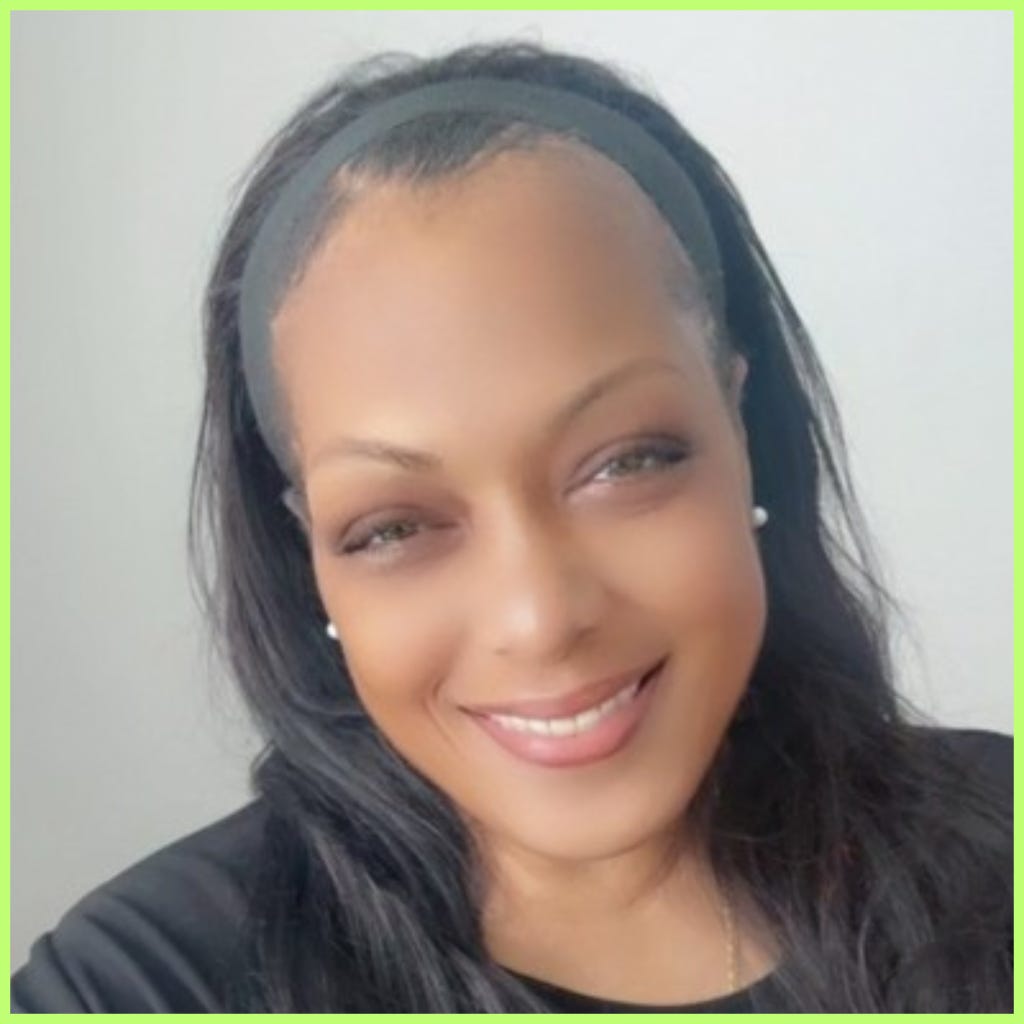
Today, through From Darkness to Dawn, Dawn helps other women reclaim their voices, their freedom, and their futures. Her story is extremely painful, but is also so very hopeful — and embodies the power of second chances.
When Courts Choose Finality Over Truth
Wrongful convictions are not merely failures of the past. They continue when courts refuse to confront compelling new evidence, including evidence that points to another perpetrator.
That is what recently happened in Pennsylvania in the case of the men known as the “Chester Three.”
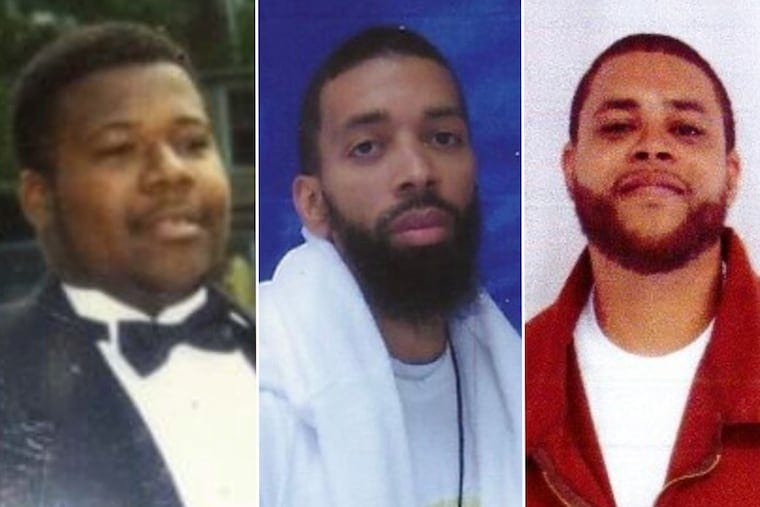
Derrick Chappell, Samuel Grasty, and Morton Johnson were convicted in separate trials for the 1997 murder of 70-year-old Henrietta Nickens. They were only 15, 20, and 18 when the crime occurred. Chappell and Grasty received life sentences; Johnson was sentenced to 99 years.
New DNA testing found none of the men’s DNA on anything tested from Nickens’s home. It also suggested that Nickens had been sexually assaulted and killed by an unidentified man whose DNA was found at the scene.
At a new hearing, years after their convictions, a judge from the PA Court of Common Pleas concluded that the new evidence mattered and granted all three men new trials.
But in July, a divided Pennsylvania Superior Court reversed that decision, dismissing the DNA evidence as merely “cumulative” because the original defense lawyers had argued hypothetically that an unidentified person was responsible. One judge dissented, concluding that it was “physically impossible” for any of the three men to have been present when the crime occurred.
For now, three men remain imprisoned despite evidence that persuaded a trial judge — and their many supporters — that their convictions cannot be trusted.
Their lawyers, including New Jersey’s very own Centurion Ministries (the oldest innocence project in the United States), have vowed to continue fighting for their freedom. Here’s what John Grisham has to say about the case. We should be paying attention.
And in Louisiana…
Louisiana’s wrongful-conviction compensation program is supposed to provide financial relief to innocent people who lost years of their lives to unjust imprisonment. Yet Attorney General Liz Murrill has opposed 22 of the 23 compensation claims filed during her tenure, including claims brought by people exonerated through DNA or other compelling forensic evidence after spending years in prison. The cruel irony is that after Louisiana wrongly imprisoned them, the state is now fighting against making it right.
If you think that the State of Louisiana should provide compensation to the wrongly convicted under its own compensation laws, let the Attorney General’s office know: www.ag.louisiana.gov/Contact. It’s the least they can do.
Thank you, as always, for listening, reading, and joining me in these conversations. Recognition is wonderful, but the most meaningful measure of this work is whether it helps more people see injustice clearly and believe that change is possible.
Exciting news next month about my new book, Bending the Bars: the Case for Second Chances in American Justice. Enjoy the rest of these halcyon days of August.
Take care,